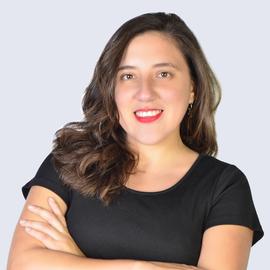
About
I am a microbial ecologist and computational biologist studying the ecological and evolutionary principles that govern how microbial communities assemble, reorganize, and maintain function across environmental change.
At the Institute of Marine Sciences and Limnology at UNAM, I lead a research program that combines genome-resolved metagenomics, comparative genomics, microbial and viral ecology, computational tool development, and experimental approaches. Mangroves and coastal sediments are core systems in my work because they provide powerful natural experiments for understanding disturbance, restoration, community assembly, and biogeochemical function.
My long-term goal is to develop a predictive microbiology of ecosystem recovery: to understand when ecological function returns through the same organisms, when it emerges through different communities, and which principles can eventually help us predict and guide microbiome trajectories.
My research path has moved across biological scales. During my PhD at UNAM, I studied genomic adaptation in Vibrionaceae from Cuatro Ciénegas. At INECOL, I worked with comparative genomics and pangenomes, and as a postdoctoral researcher in the Baker Lab at the University of Texas at Austin, I used genome-resolved metagenomics to study previously unknown microbial lineages and hydrocarbon metabolism in marine sediments.
I also develop and promote open, reproducible approaches to microbial genomics and bioinformatics. I mentor students and researchers, build computational resources, and teach metagenomics and data analysis through academic and open-science communities. I am particularly interested in building scientific environments where new questions, tools, datasets, and people can take root.
- Microbial ecology
- Metagenomics and microbial genomics
- Microbial community assembly
- Ecosystem restoration
- Viral ecology
- Bioinformatics and reproducible science
PhD Microbial ecology and evolution, 2017
National Autonomous University of Mexico
BSc in Biology, 2011
National Autonomous University of Mexico
Expertise
Selected publications
Contact
For research collaborations, scientific inquiries, and academic opportunities.
- mvazquez@cmarl.unam.mx
- Circuito Exterior S/N Ciudad Universitaria, Ciudad de Mexico, 04510
- DM Me